
Floor Drying and Reinstatement
After Water Ingress
Why Floors Are the Last Areas to Dry
Following incidental water ingress, burst pipes or groundwater flooding, floors are often the largest and slowest components of a building to dry. Moisture can remain trapped within concrete slabs, screeds and timber substrates long after surfaces appear dry. This often leads to misunderstandings with insurers or property managers who assume that “no visible damage” means “no remaining moisture.” In reality, failing to identify residual damp can result in long-term floor failure, mould growth and costly reinstatement.
Specialist Surface Grinding to Accelerate Drying
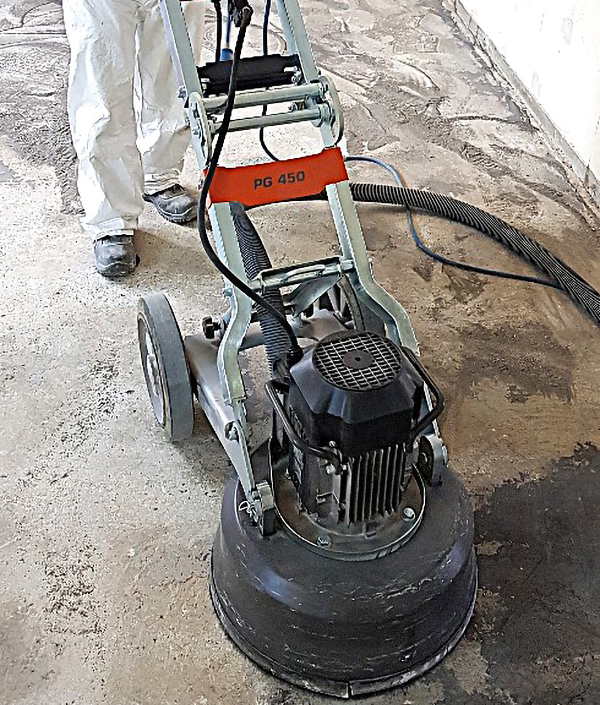
At Bequip-RE, we use advanced surface grinding technology traditionally employed to remove adhesives, levelling compounds and bitumen in commercial flooring preparation. Re-purposed for post-flood recovery, this method efficiently removes impermeable surface layers that prevent evaporation. By exposing the underlying substrate, we significantly speed up the floor drying process, reducing delays to reinstatement and helping ensure moisture levels reach safe parameters.
High-Performance Screeds and Fast Reinstatement
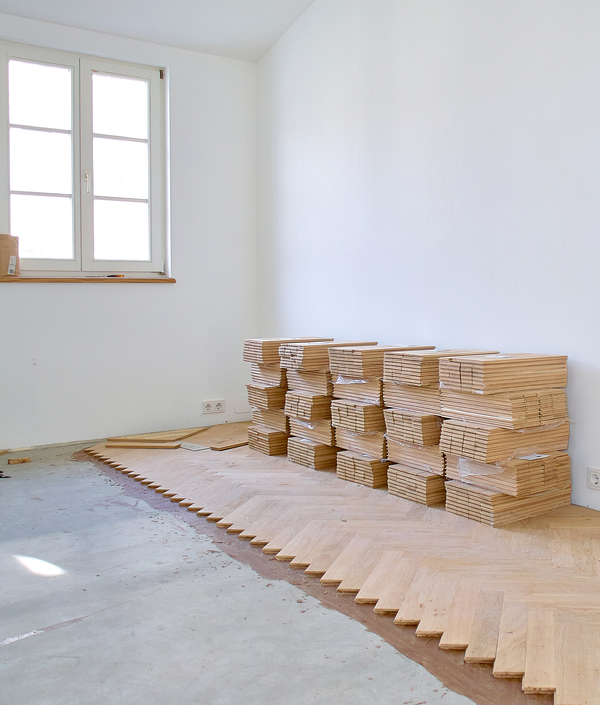
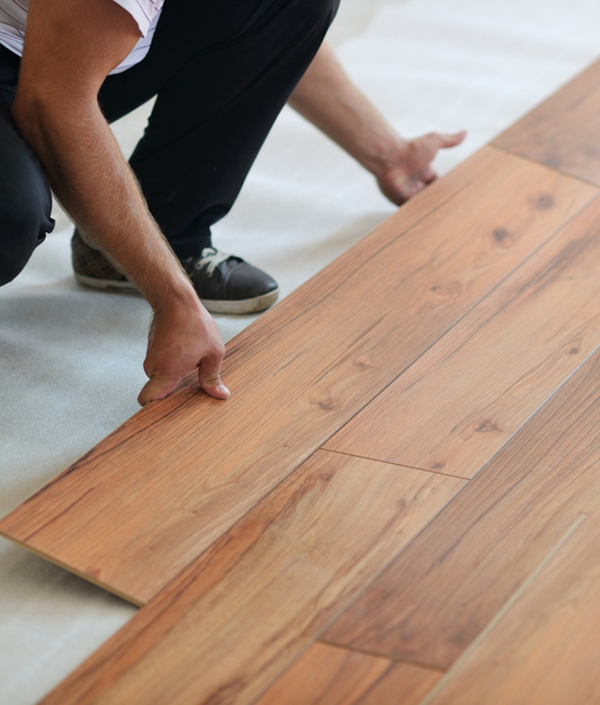
Once drying is confirmed through accurate moisture testing, we install high-quality self-compacting pumpable floor screeds from trusted ready-mix suppliers. These screeds offer exceptional stability, allowing hardwood floors, laminates and carpets to be re-laid within days—without extended drying times or unnecessary disruption.
The Importance of Damp Proof Membranes
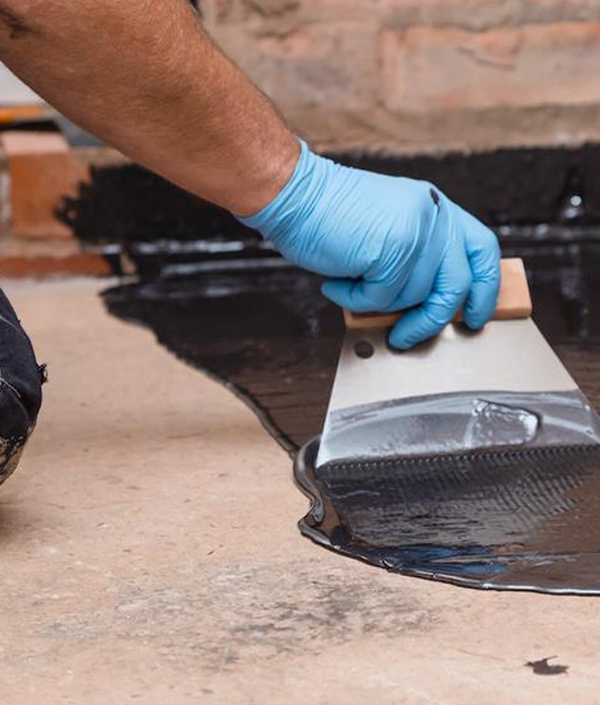
A correctly installed damp proof membrane (DPM)—liquid-applied or sheet-based—is essential to prevent future moisture migration. Proper moisture protection minimises the risk of timber floor expansion, contraction or cupping, common issues when damp is overlooked.
Domestic and Commercial
Residential
- Houses
- Flats and Apartments
- Garages
Commercial
- Offices and workshops
- Shops
- Factories